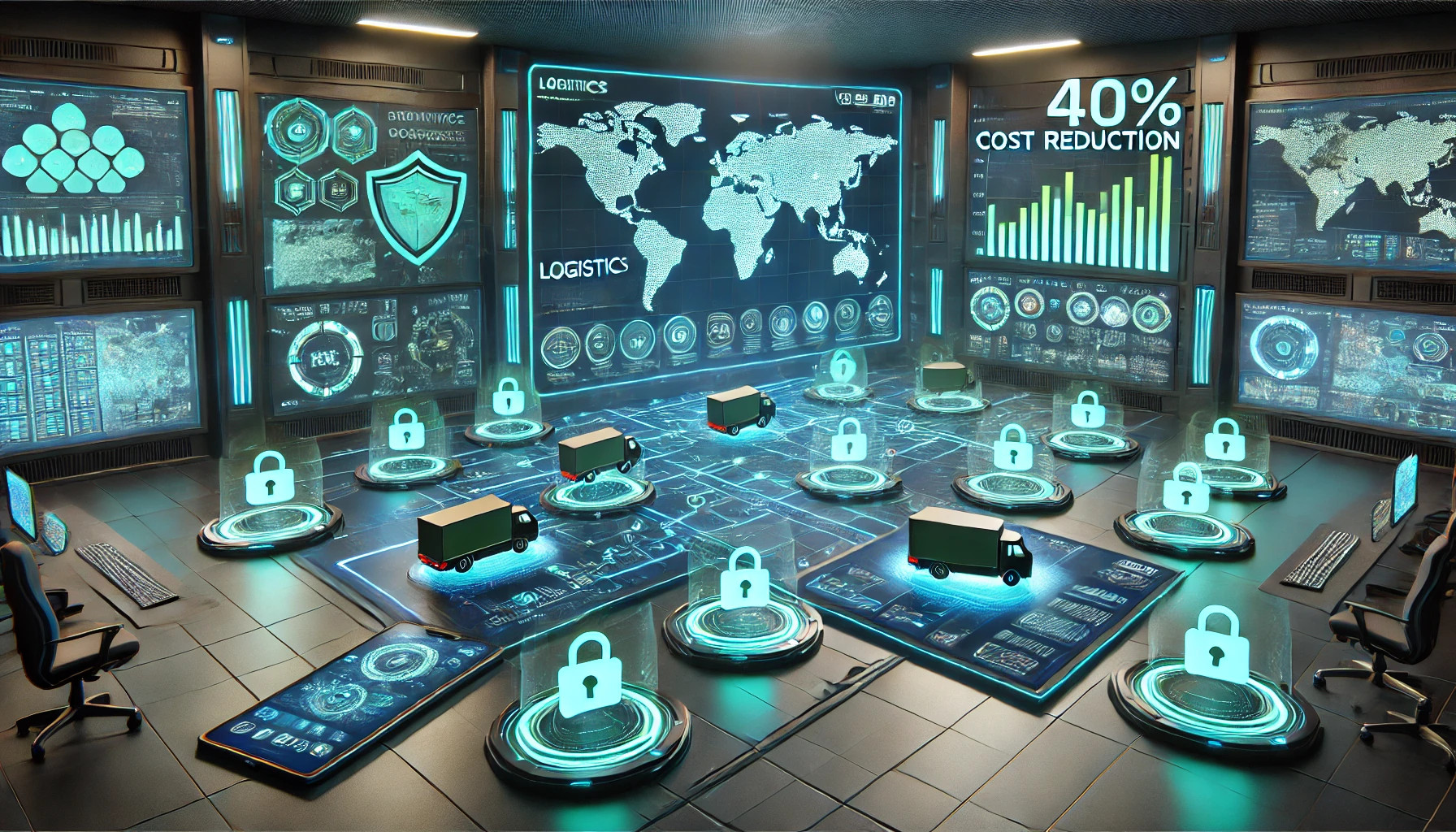
Mobile device management in logistics can include managing the phones and tablets used by drivers and warehouse staff for inventory management. How can Hamdar help reduce costs?
In logistics, Hamdar can help lower costs in the following ways:
1. Lower device maintenance and repair costs
• Centralized remote management of device software and hardware, such as tablets and smartphones.

• Automatic system updates and software troubleshooting without requiring technical staff to be physically present.

• Longer device life through monitoring battery health, memory, and resource consumption.
2. Preventing wasted staff time and effort
• Reduced downtime by resolving errors quickly and remotely.

• Less staff training through standardized device settings and interfaces.

• Prevention of human error by restricting access to unnecessary applications and features.
3. Optimizing data and communication usage
• Managing internet and mobile data consumption by restricting unnecessary applications on devices.

• Lower communication costs through secure internal networks for data transfer.
4. Preventing device theft and loss
• Real-time location tracking and remote device deactivation in the event of theft.

• Erasing sensitive data on lost devices to prevent information leaks.
5. Reducing the risk of regulatory and security fines
• Ensuring compliance with regulations such as GDPR through encryption and access monitoring.

• Preventing the costs of security breaches, including fines and damage to brand reputation.
6. Increasing operational productivity
• Integrating devices with fleet management systems to reduce fuel consumption and delivery times.

• Monitoring driver performance and reducing high-risk behavior, such as speeding, that leads to repair costs or fines.
7. Lower technical support costs
• Remote troubleshooting without sending a technician to the site.

• Fewer support calls through automated user guidance.
Using Hamdar in logistics significantly reduces direct costs, such as repairs, fines, and theft, and indirect costs, such as downtime and staff inefficiency, while increasing productivity and security.